Can I Refuse to Be a Bridesmaid? 5 Polite Scripts
Key Takeaways
- You have no obligation to accept a bridesmaid request — saying no is a recognised choice
- You can decline because of cost, time, health, caring responsibilities or the state of the relationship
- Ask who pays for the dress, alterations, hen do, travel, accommodation, hair and makeup before accepting
- Say it directly and early — before you agree and then have to reverse the decision
- A brief explanation ('cost', 'capacity') is better than an excuse or vague deflection
- Most friendships survive a polite refusal better than a resentful yes followed by a difficult year
Being asked to be a bridesmaid can feel flattering and difficult at the same time. Accepting creates a real commitment of money, time and emotional energy. This guide explains when to decline and gives five polite scripts you can adapt.
By Matt, Editor at Weddings Hub. This is practical etiquette guidance, not a rule that obliges either person to agree.
Your right to say no
There is no law, no social contract, and no etiquette rule that requires you to accept a bridesmaid request. Being asked is an honour. Accepting is a choice.
UK etiquette creates obligations around how you decline — directly, honestly, early — not about whether you can decline at all. A polite “no” delivered as soon as you know is the right answer. A reluctant “yes” that produces a difficult year, a withdrawal closer to the date, or a resentful presence on the day is far worse for everyone.
What being a bridesmaid can cost
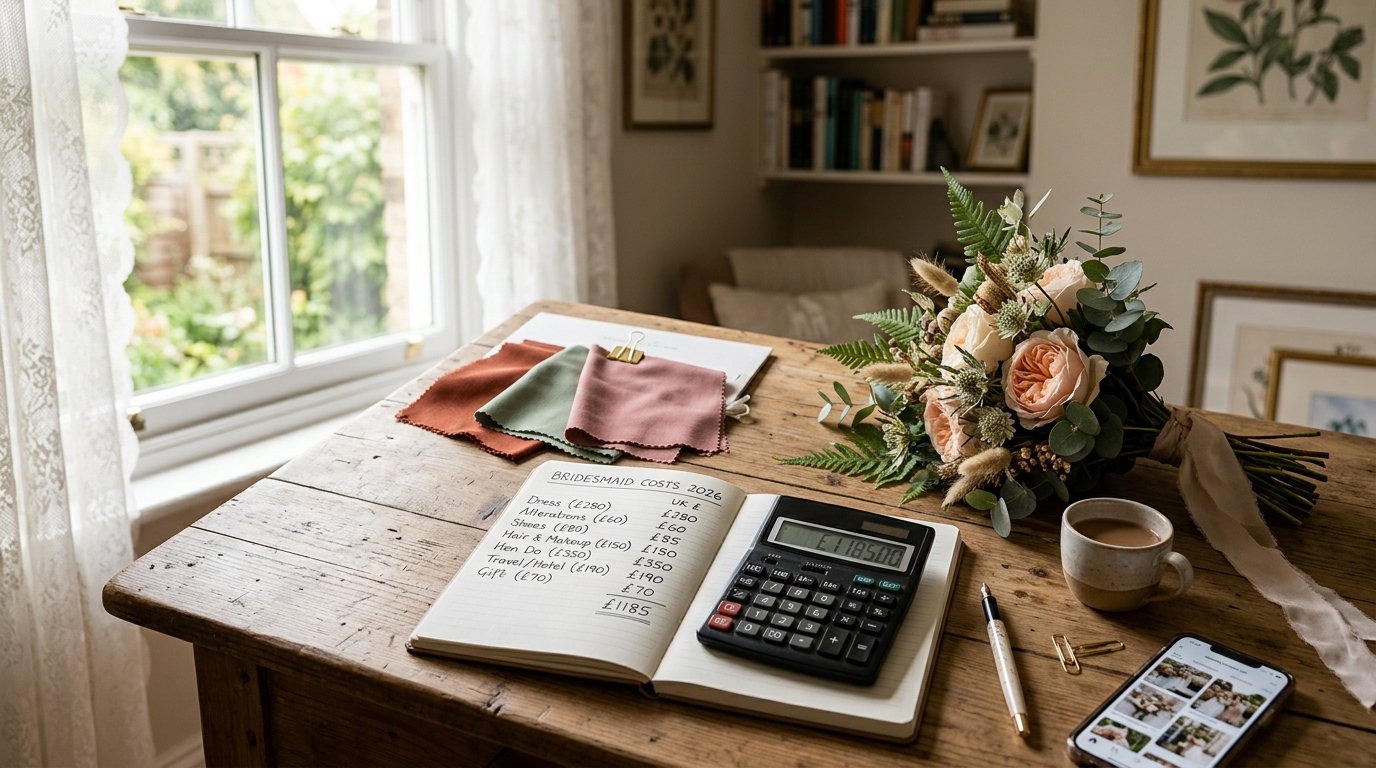
Cost is a valid reason for declining. Before accepting, ask who will pay for:
- the dress and alterations;
- shoes and accessories;
- the hen do;
- travel and accommodation;
- hair and makeup;
- fittings and other pre-wedding events.
Add the costs you would personally cover. A destination hen do or overnight wedding can change the total substantially.
Saying “I can’t take this on financially” is a complete answer. You do not need to give a figure or explain your finances in detail.
When saying no is clearly the right call
1. You cannot afford it. If the total commitment would put you in financial difficulty, saying no is the correct answer. Accepting, then creating problems around every cost decision, damages the friendship more.
2. The relationship is not close enough. People change. An old flatmate from five years ago who now moves in different circles asking you to be a bridesmaid is a different situation from your closest friend. If the friendship has drifted and the request feels surprising, that is information.
3. You are already overstretched. A new job, a house move, a pregnancy, a personal health issue, a difficult period in your own relationship. The bridesmaid role takes time and emotional energy across many months. If you do not have that available, you are not the right person.
4. You know there will be conflict. If you and the bride have a history of clashes, or if you know from prior experience that her wedding planning approach will create tension, accepting puts both of you at risk.
5. You disagree with the marriage. You do not have to approve of the marriage to attend as a guest. You should not accept a bridesmaid role if you actively believe the marriage should not happen. That position is incompatible with the public and celebratory nature of the role.
The 5 polite scripts
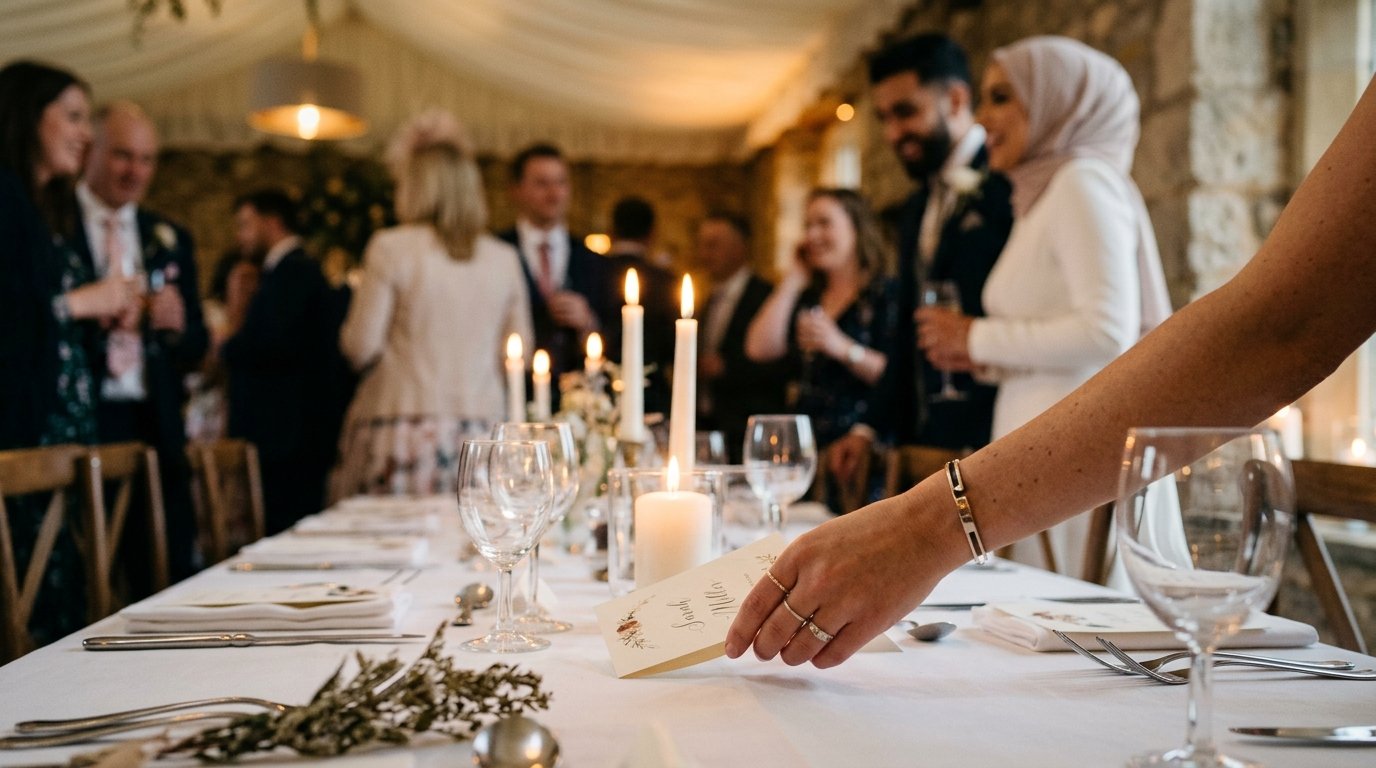
Each script is designed for a specific scenario. They are brief, honest, and leave room for the friendship to continue.
Script 1: Cost
“I’m genuinely touched that you asked me. I have to be honest with you — I don’t think I can take on the financial commitment that comes with being a bridesmaid right now. I really want to be there on your day, though. Would it be okay if I came as a guest instead?”
Why it works: it is honest, it does not invent an excuse, and it immediately offers an alternative.
Script 2: Capacity (time, energy, a difficult personal period)
“I’m so honoured that you thought of me. I have to be honest — there’s a lot going on in my life at the moment and I genuinely don’t think I can give this the time and energy it deserves. I don’t want to let you down by saying yes when I’m not in a position to do it properly. Can I come on the day as a guest and be there for you in that way?”
Why it works: it frames the decision as protecting the bride’s interests, not just your own.
Script 3: The relationship has changed
“I’m really touched you asked, and I don’t want to be anything other than honest with you. I think we’ve both changed a lot since [time], and I’m not sure I’m the right person for the role — I don’t want to disappoint you at an important time. I’d love to come to the wedding as a guest if that’s okay.”
Why it works: it is gentle about distance in the relationship without being accusatory.
Script 4: Distance or logistics
“I’m so happy for you and I’m touched you asked. I have to be honest — the logistics are going to be really difficult from here. I don’t think I can commit to being reliable across the whole planning period given the distance. But I’d love to come to the wedding.”
Why it works: it is concrete, not personal, and no one can argue with geography.
Script 5: You cannot support the marriage
This is the hardest scenario and requires the most care.
“I love you and I’m always going to be honest with you. I have some reservations about [person’s name] that I wouldn’t feel right keeping quiet about. I don’t think I’m the right person to be a bridesmaid, but I’d still like to be able to talk to you if you want that.”
Why it works: it opens a door rather than closing one. It does not ask her to change course; it acknowledges your honest position. Use this script sparingly — only if the concern is genuinely serious.
After you say no: what to expect
Most brides who are close friends will be disappointed in the short term and fine in the medium term. The disappointment is real. Allow her time to feel it without trying to manage or minimise it.
Do not reverse the decision under pressure. Changing your answer after an emotional response means you will spend the next year fulfilling a role you should have declined. That will be worse.
Do offer something concrete. “I’d love to help with [specific thing] before the wedding” or “I’ll be there on the day and I’ll be cheering you on from the front row” are better than vague reassurance.
One pattern to avoid: saying yes to everything in the immediate conversation and then gradually withdrawing. This creates exactly the dynamic that damages friendships — a series of small disappointments rather than one honest conversation.
The 2025 survey found that among women who had declined a bridesmaid request, the most common outcome was that the bride understood within a week and the friendship continued unchanged. The second most common outcome was a brief cooldown followed by a return to normal. Only 8% of respondents reported a serious or permanent friendship impact.
Keep planning
Frequently asked questions
Can I refuse to be a bridesmaid?
Yes. You have no social or legal obligation to accept a bridesmaid request. Saying no is a fully legitimate choice. Most friendships survive a polite, honest refusal better than an resentful acceptance.
What is a polite way to decline being a bridesmaid?
Be honest and direct, early. 'I'm genuinely honoured you asked, but I don't think I can take this on right now. I really want to be there for you on the day as a guest.' Keep it brief and do not over-explain.
How much does being a bridesmaid cost in the UK in 2026?
There is no standard total. Ask who will pay for the dress, alterations, hen do, travel, accommodation, hair and makeup. Add only the costs you would personally cover before deciding.
Will saying no to being a bridesmaid ruin the friendship?
Not usually, if done early and honestly. A polite refusal is far less damaging than a reluctant acceptance followed by months of tension, arguments about cost, or backing out closer to the date.
Can I say no to being a bridesmaid because of cost?
Yes. You do not need to justify the amount or explain your finances. 'It's not something I can take on financially right now' is a complete answer.
What if the bride is upset when I say no?
Allow her time to be disappointed. Acknowledge her feelings without reversing your decision under pressure. Offer something concrete instead — attending on the day as a guest, helping with a specific task before the wedding.
Can I be a guest instead of a bridesmaid?
Yes, and this is the most common outcome after a polite refusal. Offer to come as a guest and to support in any way that genuinely works for you. Most brides prefer an honest guest to a reluctant bridesmaid.