Plus One Etiquette: Wedding Guest Rules
Key Takeaways
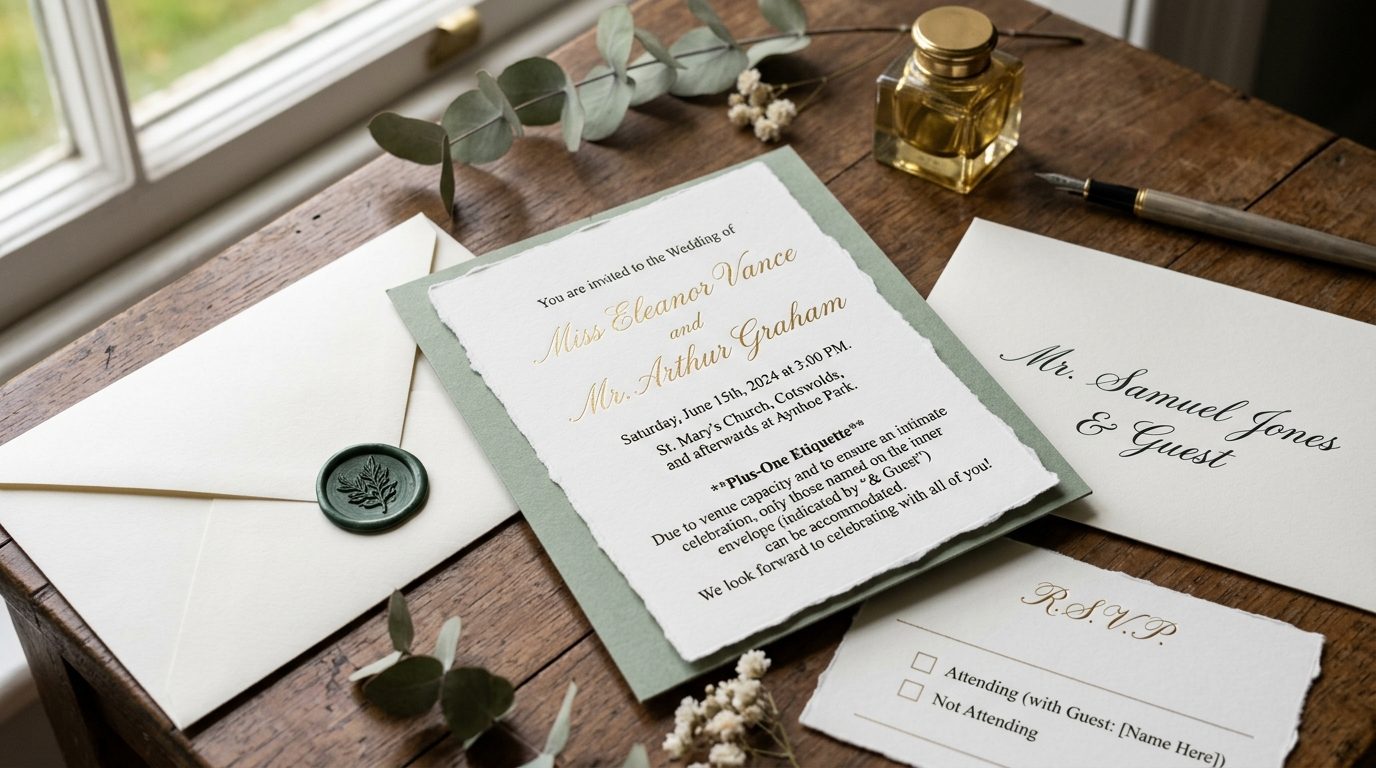
- If the invitation says 'and Guest' you have a plus one — if it doesn't, you don't
- Never ask for a plus one that wasn't offered — it puts the couple in an uncomfortable position
- Couples are not obligated to give plus ones to single guests — it's about budget and space
- If you're the plus one, introduce yourself warmly, don't dominate your partner's attention, and be sociable
- If you receive a plus one but won't use it, tell the couple so they can reallocate the seat
The plus one question causes more wedding anxiety than almost anything else. From the couple’s side: how many extra seats can we afford? From the guest’s side: am I allowed to bring someone? And from the plus one themselves: what are the rules when you’re someone else’s guest?
This guide covers the etiquette from every angle.
Who gets a plus one
Always
- Married couples. Always invited together, always.
- Couples in a civil partnership. Same as married — always together.
- Cohabiting couples. If they live together, they should be invited together.
- Long-term partners. Generally 6+ months of dating, or anyone the couple has met.
Usually
- Engaged couples. Even if you only know one half — inviting one without the other is bad form.
- Guests who won’t know anyone else. Inviting someone to sit alone at a table of strangers for 8 hours is unkind. A plus one makes it bearable.
Sometimes
- Single friends with a new partner (under 6 months). It’s a judgement call based on how well you know the partner and your budget.
- Colleagues. Plus ones for work friends are generous but not expected.
Rarely
- Teenagers and adult children. They usually don’t get a separate plus one unless they’re in a relationship.
- Children’s carers. Thoughtful but unusual. Some couples invite the nanny or babysitter as a practical courtesy.
How it appears on the invitation
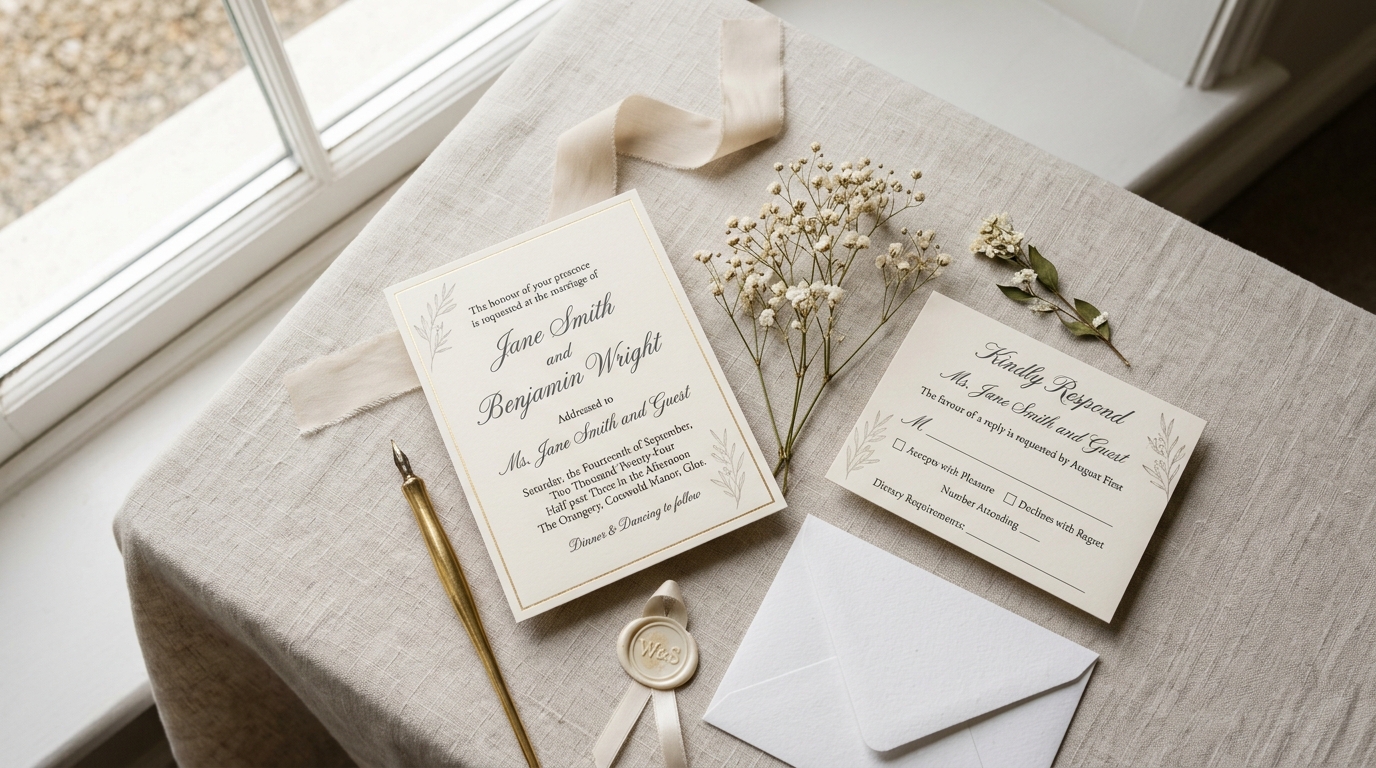
| What the Invitation Says | What It Means |
|---|---|
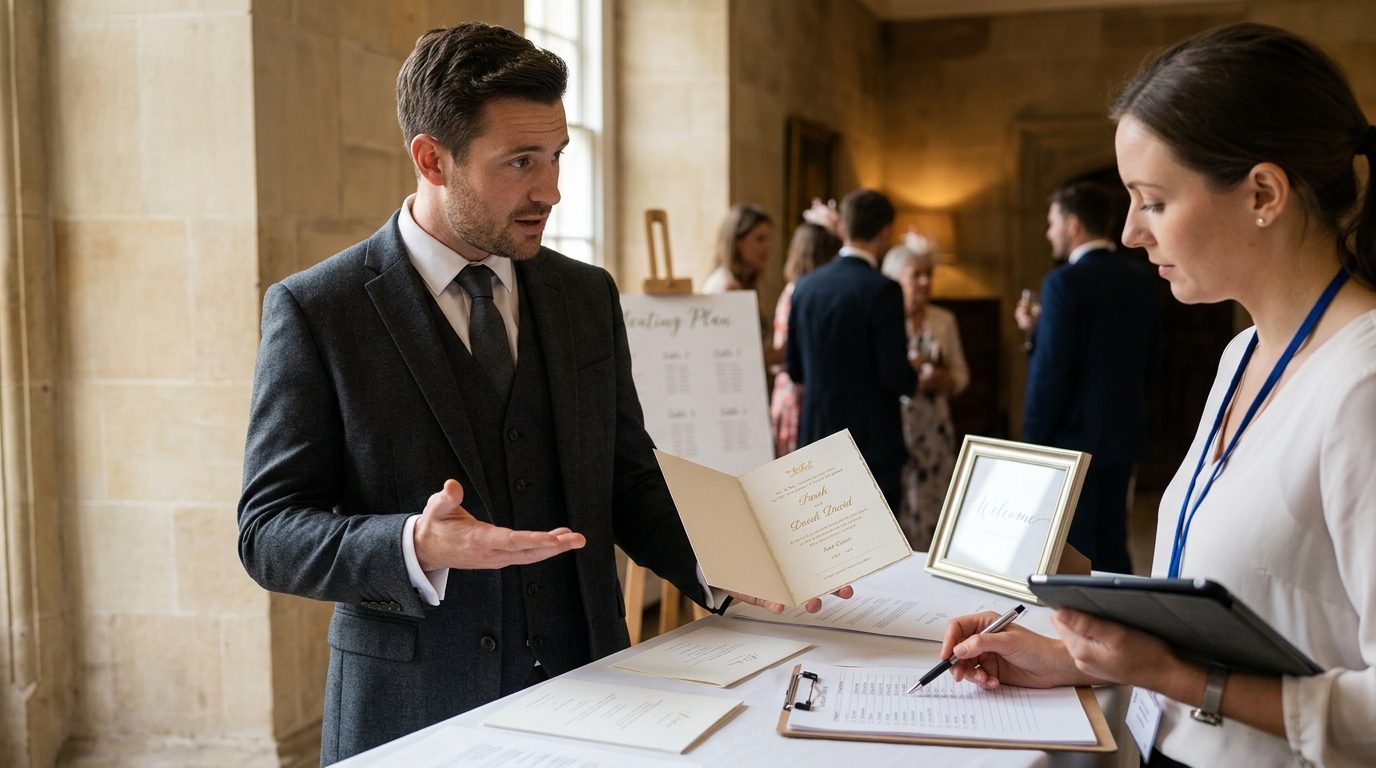
| Ms Jane Smith & Guest | You have a plus one — bring whoever you like |
| Ms Jane Smith & Mr David Jones | You’re invited with David specifically |
| Ms Jane Smith | You’re invited alone — no plus one |
| The Smith Family | The whole family is invited (named or implied) |
If the envelope is addressed only to you, you’re invited alone. Don’t bring someone who wasn’t invited — it’s the most common etiquette breach at weddings.
Rules for couples
For the couple sending invitations
Be consistent. If you’re giving plus ones to some single friends but not others, expect questions. A simple rule (e.g., “plus ones for partners of 6+ months”) makes it defensible.
Name the partner if you know them. “Ms Jane Smith & Mr David Jones” is warmer than “Ms Jane Smith & Guest.” It shows you know and welcome them.
Don’t give plus ones out of guilt. If your budget allows 80 guests and you give 20 plus ones, that’s 20 fewer people you actually know. Be strategic.
For the guest
Never ask for a plus one that wasn’t offered. It implies the couple forgot or got it wrong. They didn’t — they made a deliberate decision based on budget and space.
The exception: If you’re in a new relationship the couple doesn’t know about and you feel it would be rude not to mention it, a gentle heads-up is fine: “Just wanted to let you know I’m seeing someone — totally understand if the numbers don’t work, but wanted to mention it.” Let them decide.
If you receive a plus one but won’t use it, tell the couple. That unused seat costs them £80-150 (a meal, drinks, and table space). Letting them know frees it up for someone else.
Rules for plus ones
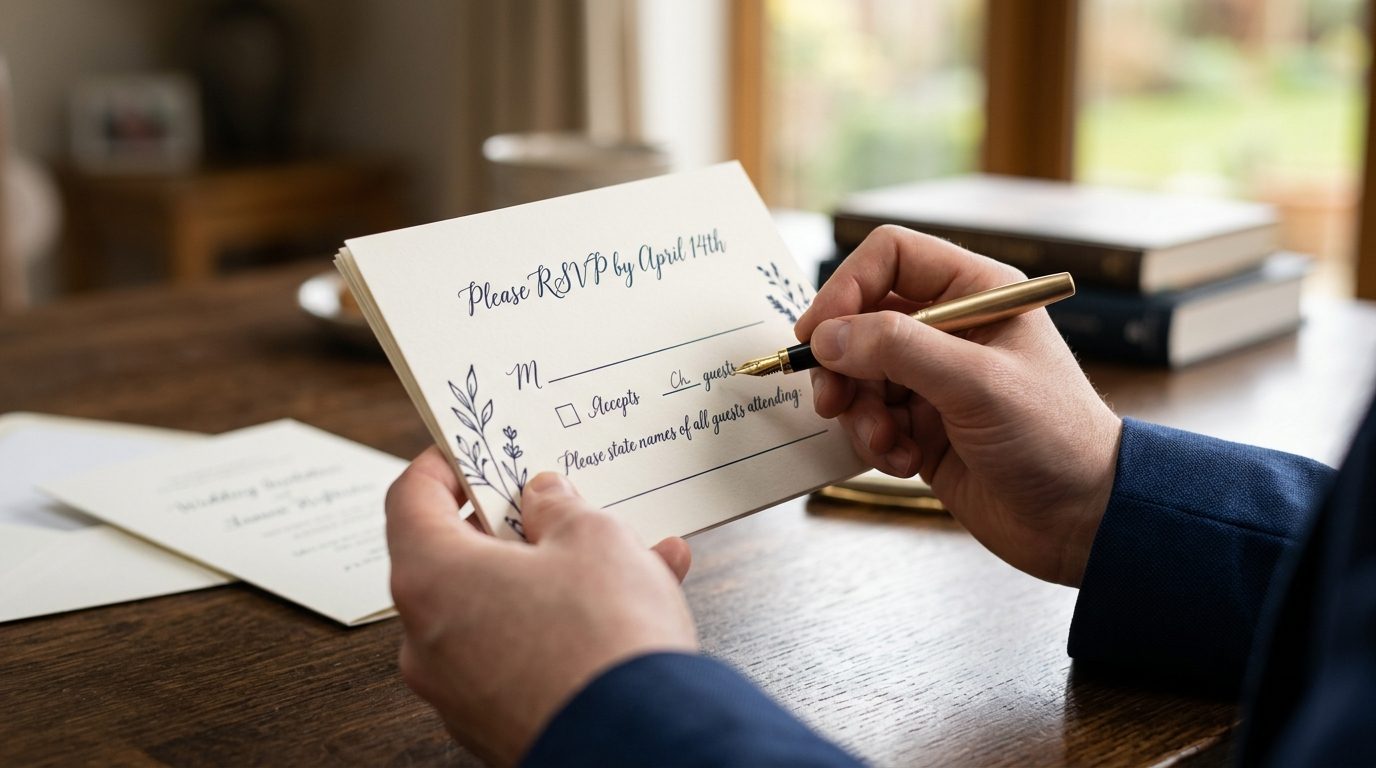
Being someone’s plus one is a specific social role. You’re a guest of a guest. The rules are slightly different.
Introduce yourself proactively. Don’t wait for your partner to introduce you to everyone. Approach people, say “Hi, I’m [name], I’m here with [partner].” Guests appreciate the effort.
Don’t monopolise your partner. They’re here to see friends and family they may not see often. Let them circulate. You’ll be fine on your own for 20 minutes.
Be sociable at your table. You’ll be seated with people you’ve never met. That’s the deal. Make conversation. Ask people how they know the couple. Compliment the venue. Be interested.
Don’t get too drunk. You’re representing yourself and your partner. Getting carried away at someone else’s wedding when you don’t know anyone is not a good look.
Give a gift. As a plus one, you’re attending for free. Contributing to the couple’s gift (or adding to your partner’s gift) is the right thing to do. Even £20 towards a card is appropriate.
Write in the card. Even if it’s just your first name next to your partner’s. It personalises the gift from both of you.
Dress appropriately. Match the dress code. When in doubt, ask your partner what everyone else will be wearing.
Thank the couple. Before you leave, find the couple and say thank you. “Thank you for having me — it was a beautiful day.” Takes 10 seconds and matters more than you’d think.
Further reading
- What to Write in a Wedding Card — including messages when you’re the plus one
- Wedding Gift Etiquette — how much to spend as a guest or plus one
- Wedding Dress Code Guide — what to wear
- How to Address Wedding Invitations — how plus ones appear on envelopes
Frequently asked questions
How do you know if you have a plus one at a wedding?
Check the invitation. If it says 'Ms Jane Smith and Guest' or '[Your name] + 1', you have a plus one. If only your name appears, you're invited alone. If you're unsure, check the wedding website or ask the couple directly — but don't assume.
Is it rude to ask for a plus one?
Yes, generally. Asking for a plus one puts the couple in an awkward position — they may not have the budget or venue space to accommodate extra guests. If you're in a serious relationship that the couple doesn't know about, it's reasonable to mention it. Otherwise, accept the invitation as given.
Do couples have to give everyone a plus one?
No. Plus ones are a courtesy, not a right. Couples typically offer plus ones to: married and cohabiting couples (always), guests in long-term relationships (usually), and single guests who won't know anyone else (sometimes). Budget and venue capacity limit how many plus ones are possible.
What if I don't know anyone at the wedding?
If you don't know anyone and don't have a plus one, that's a social challenge but not a reason to skip the wedding. Sit at your assigned table, introduce yourself, and be open. Wedding guests are generally friendly — everyone is in a good mood. If you're truly anxious, tell the couple in advance and they can seat you near welcoming people.