Sikh Wedding Traditions UK: Anand Karaj Guide
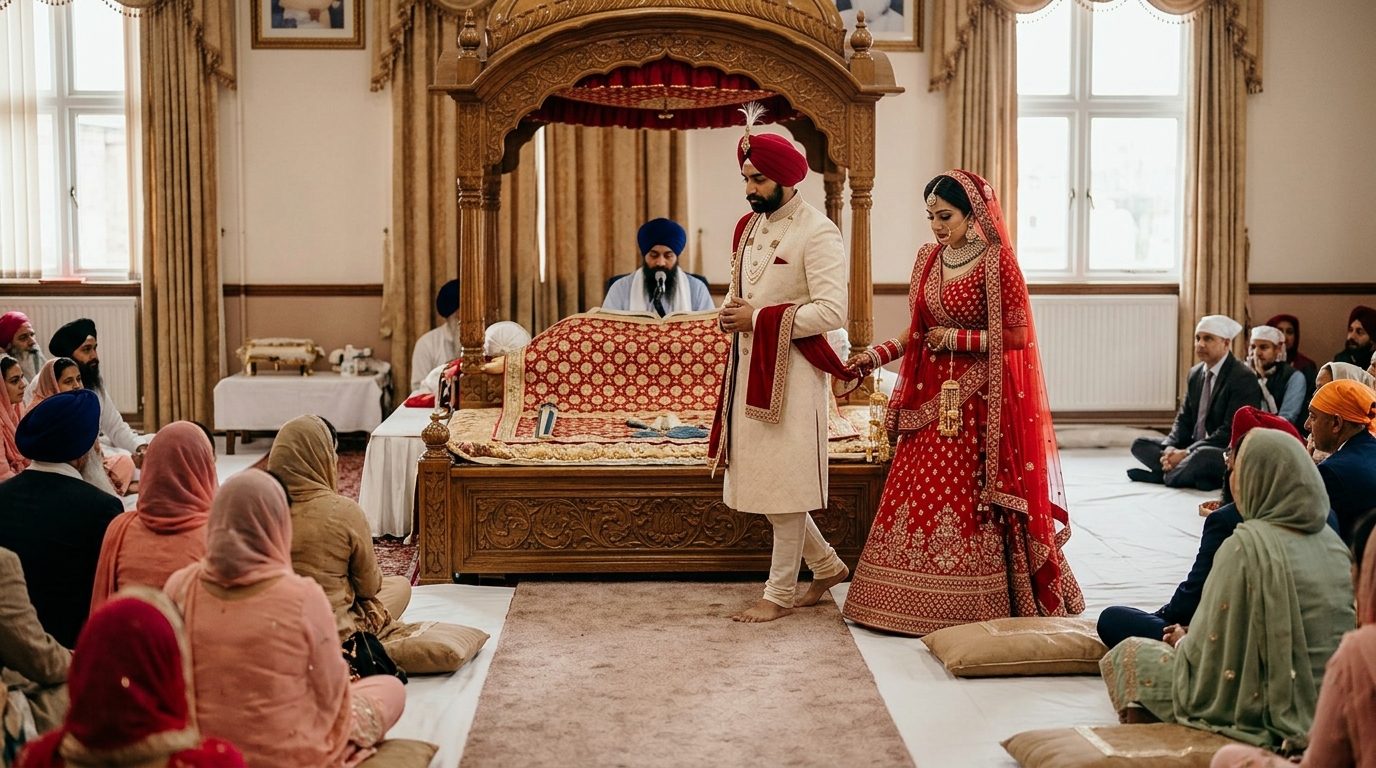
An Anand Karaj is the Sikh marriage ceremony conducted in the presence of the Guru Granth Sahib. The four laavan are followed by four circuits. Guests normally remove shoes, cover their heads and dress modestly in the gurdwara. Couples should also confirm whether separate civil registration steps are required.
Key Takeaways
- The Anand Karaj is the Sikh marriage ceremony conducted in the presence of the Guru Granth Sahib
- The Sikh Rehat Maryada describes four laavan and four circuits around the Guru Granth Sahib
- Guests remove their shoes, cover their heads and dress modestly in the gurdwara
- Langar is vegetarian and is served without distinction of caste or social position
- Couples should confirm separately whether their chosen ceremony creates a legally registered marriage
The Sikh Coalition explains: “The Sikh marriage ceremony is called Anand Karaj.” This is a religious ceremony, not reception decoration.
Guests need not be Sikh. They should follow the gurdwara’s guidance and treat the Guru Granth Sahib with respect.
Family customs around the ceremony vary. Some events commonly described as “Sikh wedding traditions” are Punjabi cultural customs rather than requirements of the Sikh faith. Ask the couple or hosts when you are unsure.
What happens during the Anand Karaj?
The Sikh Rehat Maryada published by the Shiromani Gurdwara Parbandhak Committee sets out the formal sequence.
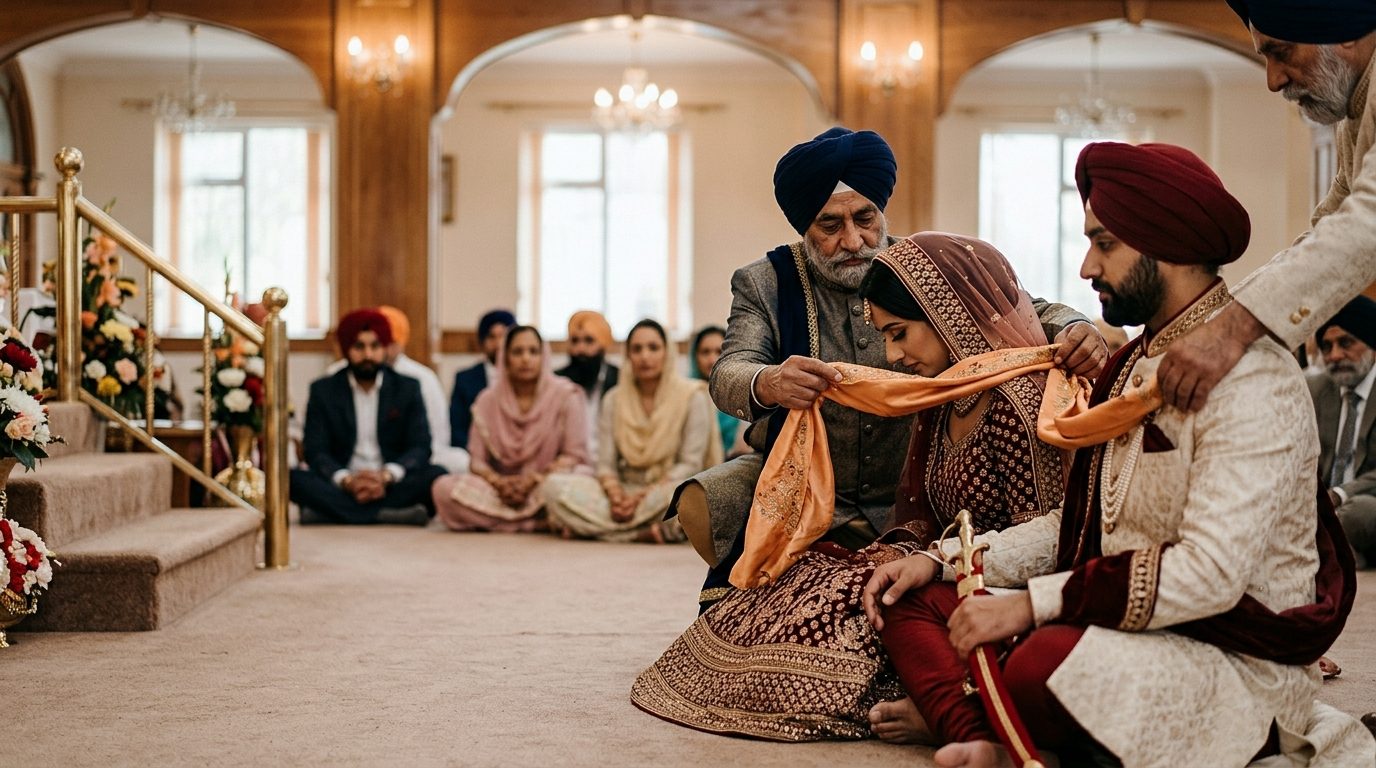
The couple sits before the Guru Granth Sahib. After instruction and prayer, they are joined by a palla, or scarf. A stanza of the laavan is recited and sung, followed by a circuit around the Guru Granth Sahib. This happens four times.
After each circuit, the couple bows and listens to the next stanza. The ceremony concludes with Anand Sahib, Ardas and the distribution of karah prashad.
The laavan describe a spiritual path towards union with the Divine. They should not be reduced to four modern relationship slogans. A granthi or knowledgeable Sikh family member can explain their meaning in the context of Gurbani.
Arriving at the gurdwara
Instructions differ slightly between gurdwaras, but guests should normally expect to:
- remove shoes before entering the prayer hall
- cover the head with a scarf, rumal, dupatta or turban
- wear clothing that covers shoulders and legs
- wash their hands before entering
- avoid bringing tobacco, alcohol or other intoxicants onto the premises
- sit on the floor unless they need an accessible chair
Head coverings may be available, but bringing your own plain scarf avoids uncertainty. A hat or decorative fascinator is not always considered an appropriate substitute.
Arrive early enough to follow local instructions without interrupting prayer. Tell the hosts in advance if you need step-free access or cannot sit on the floor.
Bowing and sitting
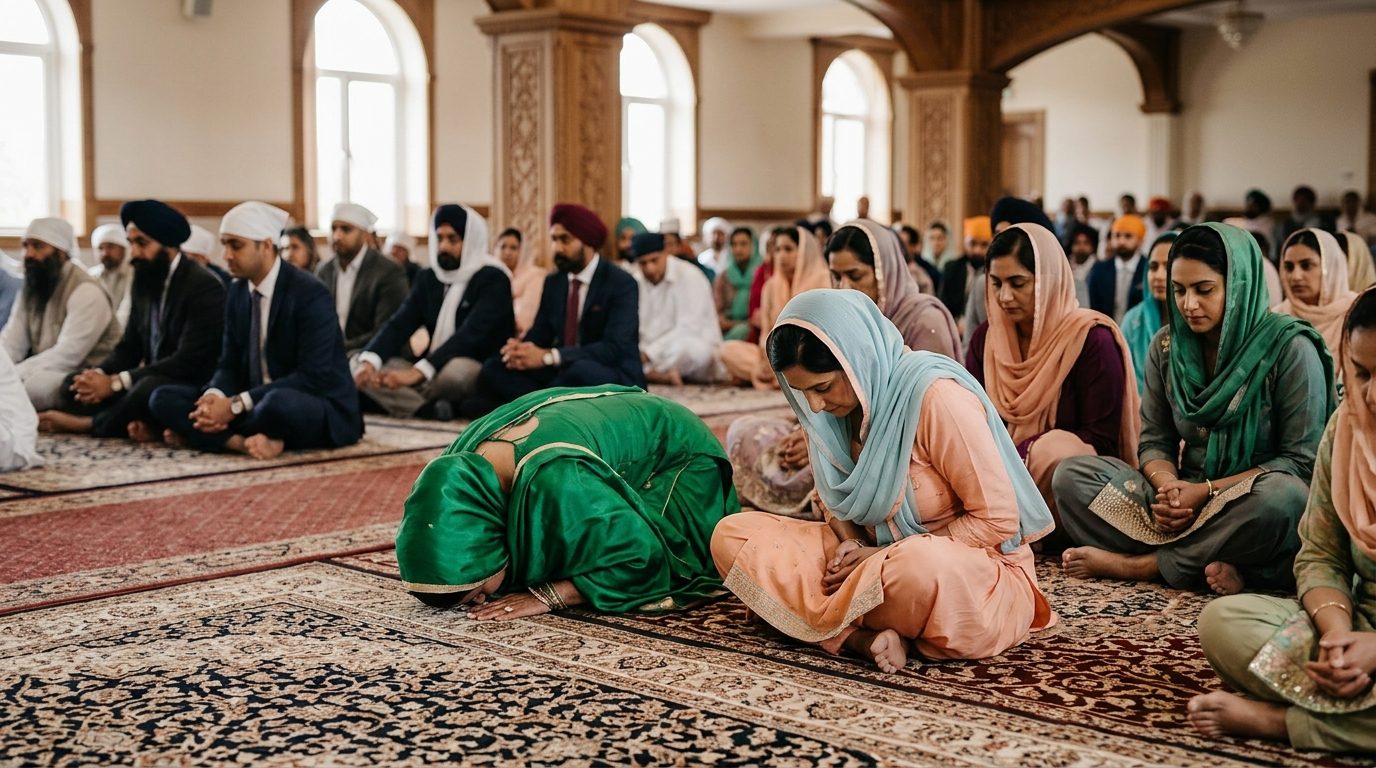 Sikh guests may bow before the Guru Granth Sahib and make an offering. A non-Sikh guest should not copy actions they do not understand merely for appearance. Follow the gurdwara’s guidance, move quietly and do not block other worshippers.
Photography may be restricted during parts of the ceremony. Keep your phone silent and ask before taking photographs near the Guru Granth Sahib.
Langar after the ceremony
Langar is the communal vegetarian meal served at a gurdwara. The Rehat Maryada states that karah prashad is distributed without discrimination based on caste, ancestry or social status. The shared meal reflects the same principle of equality.
Guests commonly sit together and are served simple dishes such as dal, sabzi, rice and roti. Menus vary. Tell the organisers about allergies and do not assume every dish is free from dairy, gluten or nuts.
Punjabi customs around the wedding
Families may also hold a milni, mehndi, jaggo, chunni ceremony or a separate reception. These customs can be important to the families, but they are not all part of the Anand Karaj itself.
The order, size and number of events differ widely. A useful invitation should identify the event, arrival time and dress guidance.
It should also explain head-covering arrangements and whether a meal follows.
| Part of the day | Religious or cultural context | What guests should check |
|---|---|---|
| Anand Karaj | Sikh religious ceremony | Arrival time, head covering and photography rules |
| Langar | Gurdwara communal meal | Allergens and local serving arrangements |
| Mehndi, jaggo or milni | Family and Punjabi customs that vary | Which events are included and their dress codes |
| Reception | Separate celebration | Venue, timing, food and transport details |
What to wear
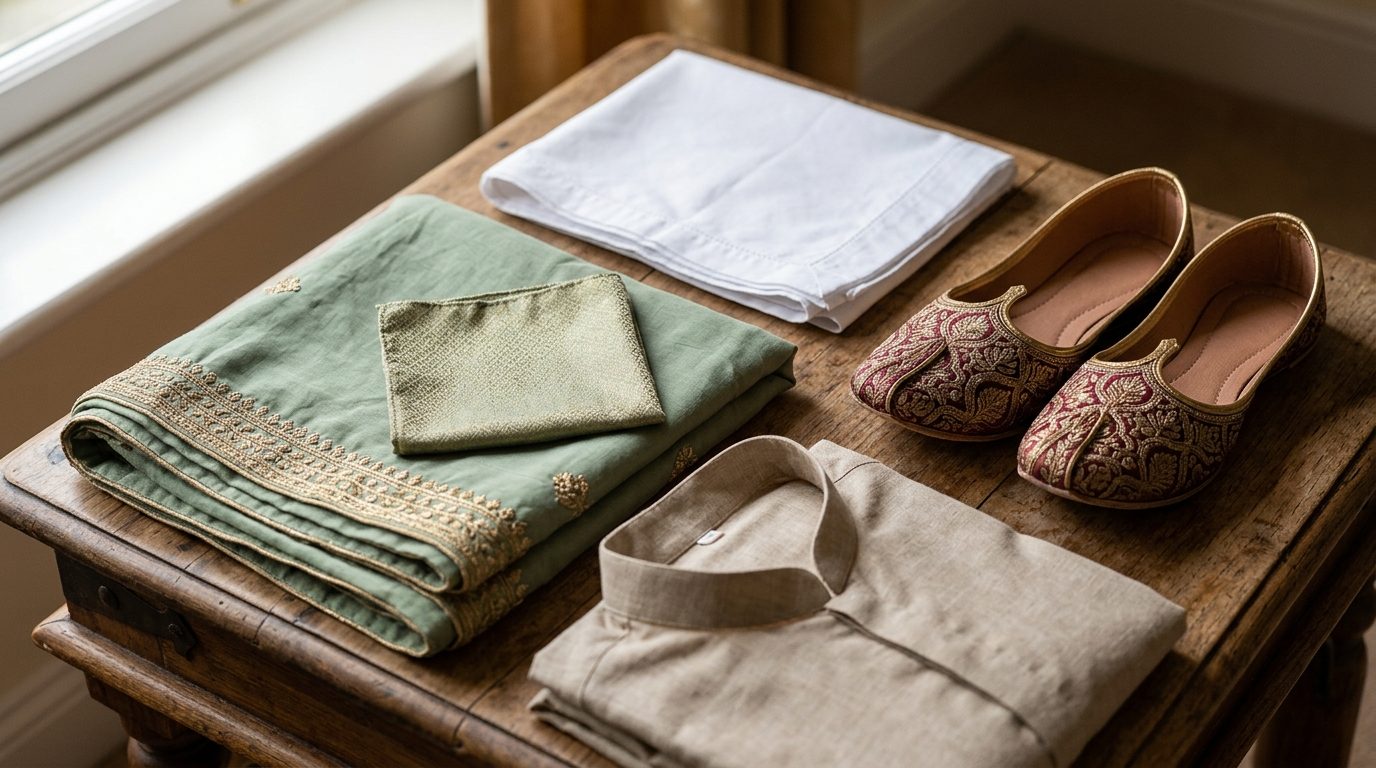
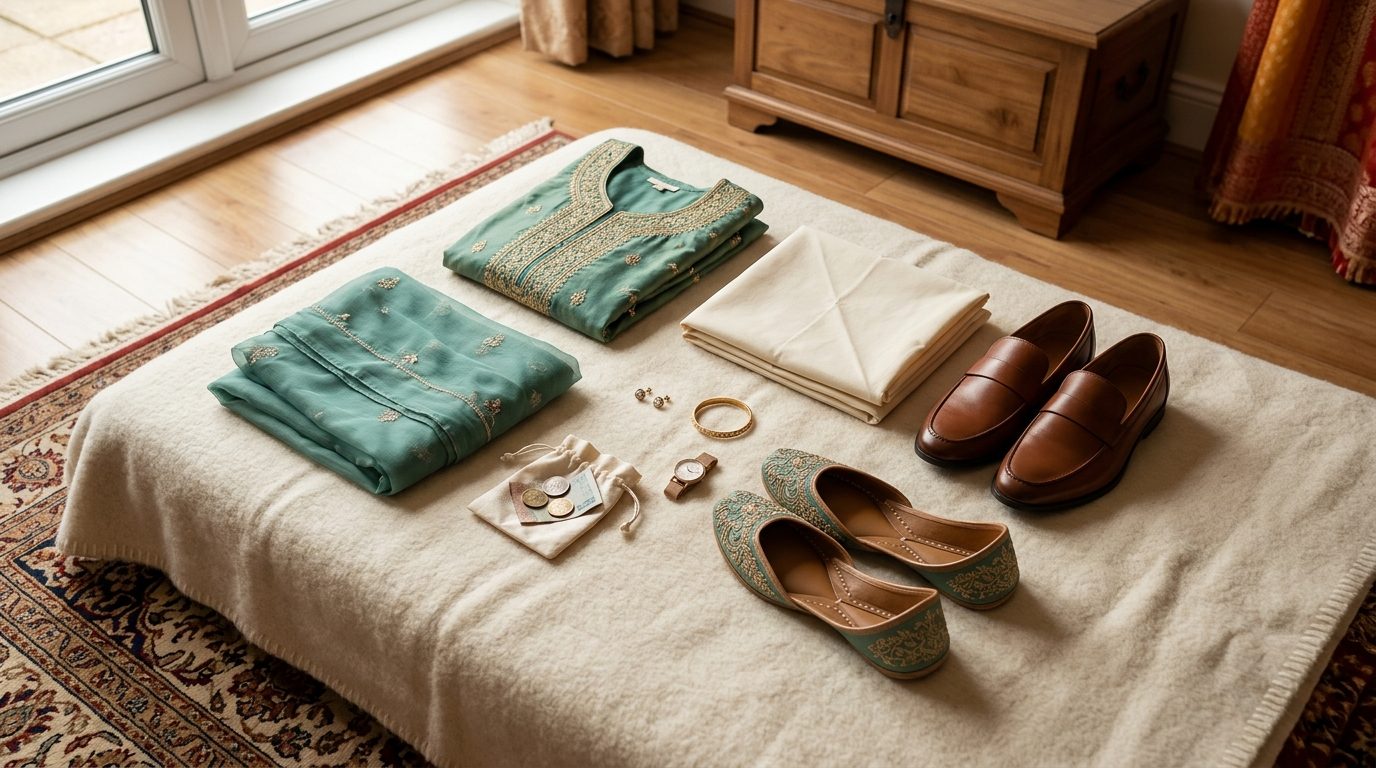 For the gurdwara, modesty and practicality matter more than matching a colour trend. Guests may wear Punjabi formal clothing or smart Western clothing that meets the local dress requirements.
Choose an outfit that allows comfortable floor sitting. Avoid very tight skirts, low necklines and fabrics that become transparent in strong light. A longer jacket, shawl or dupatta can help.
The reception may have a different dress code, so check whether there is time and somewhere to change.
Legal registration in the UK
An Anand Karaj and a legally registered marriage are related but distinct questions. In England and Wales, legal validity depends on several requirements.
These include suitable premises, correct preliminaries, witnesses and an authorised person.
Couples should ask the gurdwara and local register office:
- Is this building registered for marriages?
- Who is authorised to complete the legal marriage documentation?
- Do we need a registrar to attend?
- When and where must we give notice?
- Will the legal schedule be signed during the Anand Karaj or in a separate civil ceremony?
The GOV.UK ceremony guidance explains the general rules for England and Wales. Scotland and Northern Ireland use different systems, so check the relevant national authority.
Planning respectfully
Speak to the gurdwara before finalising timings, music, photography or decoration. A commercial venue schedule should not dictate what happens in the prayer hall.
For guests, the essentials are simple. Arrive on time, cover your head, remove your shoes and follow the hosts’ guidance.
Sources
We opened these pages when checking the guide. Prices and rules can change, so follow the link before booking.
- SGPC: Sikh Rehat Maryada — The published Sikh code covering the Anand Karaj sequence. Checked 3 September 2026
- Sikh Coalition: frequently asked questions — An accessible Sikh explanation of the ceremony and four laavan. Checked 3 September 2026
- Sikh Council UK: respect for Anand Karaj — UK Sikh guidance on treating the ceremony and Guru Granth Sahib with respect. Checked 3 September 2026
- Guru Nanak Nishkam Sewak Jatha: Anand Karaj — Practical ceremony information from a Birmingham gurdwara. Checked 3 September 2026
- GOV.UK: plan your marriage ceremony — General legal-registration guidance for England and Wales. Checked 3 September 2026
Keep planning
Frequently asked questions
What is an Anand Karaj?
Anand Karaj is the Sikh marriage ceremony. The couple listens to four laavan and completes four circuits around the Guru Granth Sahib.
What should a non-Sikh guest wear?
Wear modest clothing suitable for sitting on the floor. Remove shoes and cover your head before entering the prayer hall.
Why are there four rounds in a Sikh wedding?
The four circuits accompany four laavan composed by Guru Ram Das. The Sikh Rehat Maryada sets out this order for the ceremony.
Is food at a gurdwara vegetarian?
Yes. Langar is vegetarian so people with different diets and backgrounds can share the same meal. Check allergens with the organisers.
Is an Anand Karaj legally recognised in England and Wales?
Legal status depends on the premises, registration and authorised-person arrangements. Couples should confirm these details with the gurdwara and local register office.